
Screening for Binocular Vision Dysfunction: When Reading Discomfort Calls for an Eye Exam in West Warwick
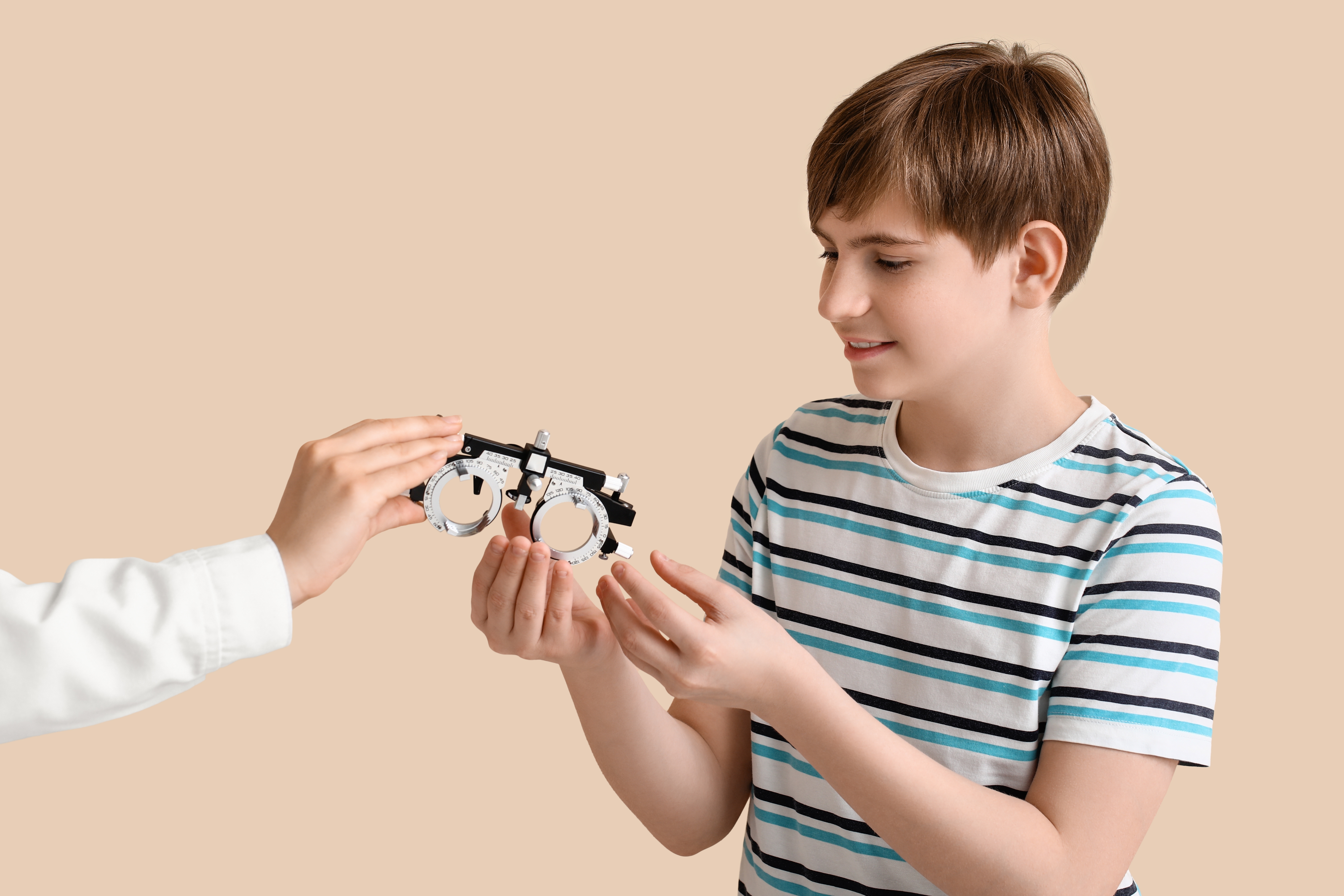
When a child struggles with reading, there can be several reasons. Some children also experience eye strain, headaches, or blurred or double vision during close work. For families in West Warwick schools, an eye exam can help identify treatable vision problems while educational and medical concerns receive their own appropriate evaluation.
Understanding Binocular Vision
Binocular vision is the way the two eyes work together to provide coordinated visual information. Problems with alignment, focusing, or eye teaming can make close work uncomfortable. Convergence insufficiency, for example, means the eyes have difficulty turning inward together for near tasks.
Amblyopia, sometimes called lazy eye, is a different vision-development problem in which sight in one or both eyes does not develop normally. It can occur with unequal prescriptions, eye misalignment, or an obstruction to clear vision. Early diagnosis and treatment are important, and some older children can benefit from treatment too.
Visual Symptoms Worth Discussing
Symptoms that can occur with an eye-teaming problem include the following. They are not specific enough to diagnose the cause on their own:
- Blurred or double vision during reading or other near work
- Eye strain, tired eyes, or headaches with close work
- Difficulty sustaining comfortable near focus
- Closing one eye or avoiding near tasks because of discomfort
Light sensitivity, eye pain, trouble seeing at night, or difficulty viewing a screen can have other causes and also deserve evaluation. New double vision, severe eye pain, sudden vision loss, or a severe headache with neurological symptoms needs urgent medical assessment.
Dizziness and Other Nonvisual Symptoms
Vision contributes to balance and coordination, but dizziness, nausea, falls, and walking difficulties are not reliable signs of a binocular vision problem. They can have many causes. Discuss persistent symptoms with the child’s pediatrician as well as the eye doctor. Sudden or severe symptoms, particularly with weakness or trouble walking, call for urgent medical care.
What a Binocular Vision Assessment Can Show
A comprehensive eye exam includes assessment of eye focusing, movement, and teaming as appropriate. A school vision screening is more limited and does not replace that examination. When symptoms suggest a specific problem, the eye doctor may add detailed tests or recommend a specialist evaluation.
The doctor can assess vision in each eye, the prescription, eye alignment and movement, and near focusing and convergence. Treatment depends on the diagnosis and may include glasses, targeted exercises for a condition such as convergence insufficiency, or referral. Amblyopia requires its own individualized treatment plan.
Treating a diagnosed vision problem may make visual tasks more comfortable. It is not a proven treatment for dyslexia or other learning disabilities, and it cannot guarantee better grades or reading achievement. Children with ongoing reading difficulties should also receive appropriate educational assessment and support.
Envisions Eyecare can evaluate your child’s eye health and visual symptoms and discuss whether additional testing or referral is appropriate. Visit our clinic in West Warwick, Rhode Island, or call 401-645-4300 to schedule an appointment.


Contact Info
Hours of Operation
- Monday 9:00am - 5:00pm
- Tuesday Closed
- Wednesday 9:00am - 5:00pm
- Thursday 9:00am - 5:00pm
- Friday Closed
- Saturday By Appointment Only
- Sunday Closed
© 2026 Envisions Eyecare. All rights Reserved. Accessibility Statement - Privacy Policy - Sitemap
Powered by:
